SA CV Writing

Advice

blank
Advice, Careers, Workplace Well-being

Tips to Follow After Missing a Promotion Again in 2025

You’re staring at your laptop screen, the email from HR confirming what you already suspected. You poured your heart into that project, worked after hours, and even mentored junior team members. Yet, for the second year in a row, the promotion went to someone else, leaving you with mixed feelings of anger and nagging self-doubt. You’re not alone. Many professionals feel overlooked despite their hard work. It’s frustrating when your efforts don’t pay off, and it’s normal to question yourself and the road ahead. Missing a promotion doesn’t define your career. Many people bounce back stronger, turning setbacks into bigger opportunities. With job markets that shifted toward skill-focused growth, there are more ways than ever to advance in 2026. Common Reasons You Did Not Get Promoted Understanding why you missed a promotion twice will help you clear the path forward: 1. Skill Gaps and Missing Leadership You might excel in your current role, yet lack the skills needed to advance to the next level. In 2025/2026, tech shifts like AI demand quick adaptation. Roles now require basic AI knowledge to handle automation tasks, and without it, you risk falling behind. A recent report on AI job trends shows generative AI skills in nearly 10,000 job postings by mid-year, up from just 55 in 2021. Managers watch how you guide others, not just complete tasks. Weak spots show up when you avoid delegating or fail to rally a team during tight deadlines. Common signs include skipping feedback sessions with teams or hesitating to lead small projects. 2. Timing and Company Factors at Play Sometimes the issue lies beyond your control, such as company timing or hidden politics. In 2025, economic pressures led to promotion freezes, where budgets were tight, and vacancies stalled. Internal shifts and restructurings created uncertainty, delaying decisions. You applied for a role, but a hiring pause or favouritism toward longtime employees blocked the way. Smart Steps to Bounce Back and Build Your Career Path Missing a promotion hurts, but use it for real growth. Start by taking control with targeted actions that address gaps and open new doors while gaining confidence to position yourself for the next opportunity: 1. Ask for Feedback and Set Clear Goals Reach out to your Manager to get honest feedback to align your path. Reaching out shows maturity and a drive to improve, which bosses respect. Craft a personal growth plan by listing specific areas and pairing each with an actionable step. 2. Explore Side Moves and Skill Building Options Consider lateral shifts within your company to gain broader experience without waiting for a promotion. In 2026, this approach will pay off as employers seek adaptable workers. A World Economic Forum report on future jobs points to AI and human skills as core to growth amid technological change. 3. Networking Build internal and external connections to uncover hidden opportunities. Join team lunches or volunteer for Committees to connect with leaders. Attend industry events or use LinkedIn to reach out to peers with a simple note: “I enjoyed your post on team dynamics; any tips for growth?” Explore new jobs without burning bridges. If feedback indicates limited career paths ahead, update your resume quietly after six months of effort. Explore roles that match your skills and offer clear advancement. When you decide it’s time to move on, always give notice professionally and leave on good terms. 4. Embrace Lifelong Learning for Real Advancement Ongoing professional development builds skills that drive true progress. You gain an edge by learning areas like remote collaboration. For example, mastering virtual meeting tools lets you lead projects from anywhere. Companies value this, as hybrid teams need strong connectors. Check out online platforms that fit your schedule. Online learning guides offer plans to tie courses to job goals. Also read: https://sacvwriting.co.za/2024/12/30/4-tips-to-measuring-career-success-on-your-terms/ Skill specialization takes this further. Focus on one area, such as AI basics or data tools. Pair it with meaningful projects, like a side task that solves a team problem. A report on career development in 2025 notes how personalization speeds growth. Lifelong learning frees you from chasing titles and leads to roles that match your goals and bring lasting fulfilment. Why not start today and watch your options expand? What are you waiting for? Order your CV Today! This article was written en published by Liesel Cloete. The Award-Winning CV Writer Behind SA CV Writing Studio With an extensive HR/Payroll background, I transitioned from the corporate world and founded SA CV Writing in 2014 to empower professionals in their career journeys. My clients report back on securing interviews with local and international firms.

Two figures, a human and an android
Advice

8 Reasons Why ChatGPT and AI Can’t Create a Resume That Captures Your True Self

8 Reasons Why ChatGPT and AI Can’t Create a Resume That Captures Your True Self You’re staring at a blank screen. The deadline for applying for that dream role is slipping away. Why not let ChatGPT whip up a resume in minutes? It sounds like a lifesaver, right? AI tools promise quick fixes, yet often deliver something that falls short, missing the highlights that make you, you. The story only you can tell. Why does AI fall short? It lacks a personal touch by relying on generic templates instead of actual journeys. The result sounds dull and cookie-cutter, failing to stand out among other applications. And don’t get me started on the risks, such as errors or keyword stuffing, that could trip up a recruiter. This is exactly why our expert CV writers focus on combining keyword strategy with human insight — giving you the best of both worlds. AI Misses the Heart of Who You Are AI tools extract data from the internet and generate resumes quickly. Yet, they skip the parts that make your story yours. AI builds something that feels off, like a puzzle with missing pieces. It draws from common patterns, missing YOUR true journey. No Window into Your Private Journey AI works blind, knowing nothing about the family talks that pushed you into your field or the weekend side gigs that built your resilience – the skills that shaped you in ways no database can touch. Without them, the resume becomes inaccurate (Read the limitations of AI resume builders). AI lacks personal knowledge, so it fills gaps with guesses that miss the mark. Sarah grew up helping at her parents’ small tuckshop, learning to interact with even the toughest customers. That experience fueled her career path. When she fed her information into an AI tool, it generated a flat list of job descriptions. No mention of those early days or the quiet drive that sparked in her. The document read like anyone else’s; boring and forgettable. AI Struggles to Show Your True Passions Passion fires up a resume. AI generates bullet points and statistics. No emotion, no creative twist to pull readers close. The result? The same mumbo-jumbo that blends into the pile (the pros and cons of AI resume optimisation). Human storytelling remains a key factor in standing out. Fix this by adding your spark. When you weave in what fires you up about the work, the page comes alive. After AI drafts a section, rewrite one bullet point with your own voice. Say why that role thrilled you, or how a task matched your core drive. It turns a script into your story, one that hooks and holds attention. AI can structure data, but it can’t capture personality — that’s why our CVs are written by professionals who know how to bring your experience to life. Generic Resumes That Get Lost in the Crowd AI tools collect scraps of information from the internet and compile them into a neat stack, but they lack personality. It uses buzzwords like “team player” and “results-driven,” stuffing keywords to beat applicant tracking systems. The problem. They sound robotic. In 2025, a survey found that 80% of hiring managers immediately spot and discard AI-generated resumes, as noted in Forbes coverage on the reasons behind this practice. Clichés bury what makes you YOU, leaving recruiters unimpressed. A resume stating “leveraged synergies for optimal outcomes” sounds fake. Add tangible achievements and numbers. What did you do differently in that role that made you different from all the other candidates? At SA CV Writing, we believe every client deserves more than a template — that’s why we create personalised, professionally written CVs that truly stand out. Overuse of Common Phrases and Fillers AI loves to fill space with empty words. Vague lines like “managed a dynamic team” sound safe, but don’t really say much. The risk of boring recruiters with this tone is very high. It also leads to inconsistent writing, as LinkedIn experts highlight in their analysis of AI resume flaws. Consider this AI spit-out bullet: “Utilised innovative strategies to enhance productivity in a fast-paced environment.” Yawn. Now tweak it personally: “Led a five-person team to cut project delays by 30% after spotting bottlenecks from my warehouse days.” See the shift? It swaps filler for your achievement, adding weight. To fix yours, scan for fluff. Replace each vague phrase with a number or a story from your life. List your top three wins first, then build bullets around them. Hard Time Matching Your Real Voice AI tends to stumble on tone, shifting from stiff to chatty across sections, and this inconsistency doesn’t go unnoticed by recruiters. Data backs this up: tools often lack the nuance for tailored advice, leaving mismatches that scream “not human,” according to Forbes insights on spotting AI in applications. Does your draft sound like you? Read it aloud. If it feels off, as if someone else wrote it, then make the necessary changes.   Guessing at What Employers Want AI draws from broad data pools to understand employer needs, but it lacks the depth to grasp role-specific details fully. In 2025, hiring shifts toward skills tests over resumes, yet personal fit still counts big. AI can’t read between the lines on job posts, such as the soft skills a startup craves. A Forbes article highlights how AI often fails to showcase your unique path, leading to these targeting flaws. Another source notes the risk of irrelevant keywords that clutter your story (Kahn Litwin analysis). Risks of Errors and Made-Up Details AI shines at speed, but prompt it wrong and it spins tales from thin air. It might invent job titles or inflate achievements, such as claiming you led a team you never managed. These slip-ups can tank trust, as recruiters spot fakes fast. A National Law Review report highlights how such false outputs create serious harm in professional settings. Always double-check outputs against your facts. Add your truths manually, like the real story behind a project


Man in a black suit standing confidently, showcasing a formal and professional appearance while using correct voice tone
Advice

4 Practical Tips for Mastering Your Voice Tone – The Role of Tone in Effective Communication

In both professional and personal settings, the way we communicate can significantly impact our relationships and outcomes. Voice tone often goes overlooked. Your tone (the quality or character of your voice) can convey emotions, intentions, and attitudes far beyond the words you choose. Understanding Voice Tone Voice tone encompasses not just what you say but also how you say it, but also elements such as pitch, volume, pace, and inflection. A warm and enthusiastic voice tone can foster connection and engagement, while a flat or dismissive tone may alienate your audience. This subtlety can make all the difference in effective communication. The Importance of Tone in Business In the corporate world, where clarity and professionalism are paramount, voice tone shapes perceptions. Consider the following scenarios: Client Interactions: An upbeat and confident tone can instil trust and reassurance when communicating with clients. Conversely, a curt or indifferent tone may lead to misunderstandings or dissatisfaction. Team Collaboration: Within teams, fostering an open dialogue is essential for innovation and productivity. A supportive tone of voice encourages team members to share ideas freely without fear of criticism. Feedback Delivery: Providing constructive feedback requires careful attention to tone. A gentle yet assertive approach can help employees receive feedback positively rather than defensively.   Also read: SA CV Writing is awarded as the most customer-focused CV Writing Agency 2024 – South Africa   The Impact of Voice Tone in Personal Life In personal relationships, the significance of voice tone cannot be overstated either: Conflict Resolution: In moments of disagreement, a calm and respectful tone of voice can be a powerful tool for de-escalation. It signals a willingness to understand and can pave the way for resolution. Expressing Affection: Whether with family or friends, using a warm and caring voice tone conveys love and support more effectively than mere words alone.  Active Listening: By engaging with others in a way that shows you value their thoughts and feelings, you can deepen your connections and enrich your relationships. 4 Practical Tips for Mastering Your Voice Tone Be Mindful: Practice self-awareness by paying attention to how your voice sounds during conversations. Adjust Accordingly: Adapt your voice tone based on your audience; what works in one context may not suit another. Seek Feedback: Encourage trusted colleagues or friends to provide insights into how your communication style affects them. Practice Empathy: Try understanding how others might perceive your message based on their emotional state; adjust accordingly to create rapport.   Also read: Are you a toxic employee?   Remember, your voice’s tone can inspire or discourage those around you. By speaking with sincerity and empathy and without looking down on anyone (no matter their position in life), you can foster better connections and achieve greater success in your personal and professional relationships. Let your words uplift and motivate others, creating a balanced environment where everyone feels valued and respected.   #voicetonematters #CommunicationIsKey #cvwritingservicessouthafrica #cvwriter #cvwritingservice #sacvwriting #cvwriting #professionalcvwritersinsouthafrica This article was written en published by Liesel Cloete. The Award-Winning CV Writer Behind SA CV Writing Studio With an extensive HR/Payroll background, I transitioned from the corporate world and founded SA CV Writing in 2014 to empower professionals in their career journeys. My clients report back on securing interviews with local and international firms.

Person in a suit poised for career success standing among giant chess pieces with mountains in the background.
Advice

Career Success – 4 Proven Strategies to Measuring Success on Your Terms

How do we define career success? Some people often find themselves caught in the whirlwind of comparing their careers to others. Your friends are landing their dream jobs while you feel stuck in a position that doesn’t excite you. It’s a familiar scene for many. But this constant evaluation, this comparison, it’s not healthy. It leads to discontent and stress, overshadowing personal achievements. It’s time for a change. Just imagine the liberating feeling of breaking free from the constant comparison. Social comparison can cloud judgment, making it hard to recognize your accomplishments. But remember, the journey to true career happiness is a personal one, not a race against others. It’s about focusing on your own goals and achievements, not those of your peers.   Read more here: SA CV Writing is awarded as the most customer-focused CV Writing Agency 2024 – South Africa   The Illusion of the “Perfect” Career Path Many believe a successful career follows a straight path, but the reality is different. Research shows that around 70% of workers change careers at least once, and the average person holds 12 jobs in their lifetime. Real success is about personal growth and finding paths that suit you. Social Media’s Role Social media paints an unrealistic picture of success. Carefully curated posts can show luxurious lifestyles and accelerated achievements, leaving many feeling inadequate. Influencers who seem to have it all figured out; their lives can appear perfect, but remember, it’s just a highlight reel and understanding this can be enlightening. The Danger of Comparison Studies show that constantly comparing yourself to others can lead to anxiety and unhappiness, and those who judge their success against peers often feel inadequate despite personal achievements that should be celebrated.   Here are 4 tips to assist you in measuring success on your terms:   Defining Your Career Success Metrics Identifying Your Values Start by figuring out what truly matters to you. What are your passions? What do you want to accomplish in your career? Spend some time answering these questions to clarify your unique goals. Here’s a quick exercise: List things you love doing. Note what makes you feel fulfilled. Identify your skills that stand out. Setting SMART Goals Once you’ve identified your values, turn them into goals using the SMART framework: Specific: Be clear about what you want. Measurable: Include numbers to track progress. Achievable: Ensure your goals are realistic. Relevant: Goals should align with your values. Time-bound: Set a deadline for achieving them. Creating a Personalized Success Roadmap Visualize your career journey. Draw a roadmap that highlights key milestones you want to achieve. Include significant accomplishments, skills you aim to develop, and experiences you want to gain. This roadmap will be a powerful reminder of your unique path.   Also read: Career Goals: 5 Tips To Keeping Up With Your New Year’s Resolutions   Celebrating Your Wins: Recognizing Your Achievements Keeping a Success Journal Keeping a journal can help you track your accomplishments. Write down every victory, no matter how small. Noticing your progress boosts confidence and promotes a positive mindset. Seeking Feedback and Mentorship Don’t underestimate the value of feedback. Regularly seek insights from colleagues or mentors. Their perspectives highlight strengths you might overlook and guide your development. Acknowledging Setbacks as Learning Opportunities Instead of viewing setbacks as failures, see them as valuable lessons. Overcoming challenges often leads to growth. Reflect on what you learned from difficult experiences to foster resilience.   Overcoming the Comparison Trap: Practical Strategies Mindful Social Media Consumption Empower yourself by setting limits on your social media use. Curate your feed wisely to protect your mental health and take control of your online experience. Building a Supportive Network Surround yourself with a community that uplifts you. Connect with peers who focus on mutual support and determination. Celebrating each other’s successes creates a positive and secure environment. Practicing Self-Compassion Be kind to yourself by acknowledging your feelings, but don’t let them define you. Empower yourself by focusing on your journey without harsh self-criticism. Remember, you are enough just as you are. This reassurance can help you build confidence and self-esteem.   Embracing Your Unique Career Journey Reframing Success It’s time to shift how we define success. Rather than adhering to society’s standards, reflect on what success looks like for you. This is what we mean by ‘reframing success.’ Each individual’s journey is distinct—embrace that uniqueness and define success in a way that aligns with your values and goals. Focusing on Personal Growth Continuous learning and personal development should be forefront of your career pursuits. Be open to new experiences and challenges that aid growth. This mindset creates a fulfilling career. In Short… Focus on your unique journey and celebrate every step you take. Remember, it’s not about how fast or where others are; it’s about your progress on your path.   Let SA CV Writing create a standout CV that represents your skills and experiences. By customizing your CV to align with your career goals, you’ll be able to measure your success in your own unique way. Let’s get started on achieving your career goals today!   #cvwritersinsouthafrica #professionalcvwriters #cvwritingservice #SA_CVWriting #careergoals    This article was written en published by Liesel Cloete. The Award-Winning CV Writer Behind SA CV Writing Studio With an extensive HR/Payroll background, I transitioned from the corporate world and founded SA CV Writing in 2014 to empower professionals in their career journeys. My clients report back on securing interviews with local and international firms.

Emotional graduate in a gown, crying as she faces the daunting job hunting journey after graduation and compiling a graduate cv
Advice, Graduates

Graduate CV Guide 2025 | Job Hunting After Graduation – Achieve Success with These 7 Tips

Congratulations on your graduation! Since the holidays are here, you might not be eager to jump into job hunting right away, and taking it easy feels more appealing. It’s also normal to feel daunted by the idea of searching for a job and writing your first graduate CV, especially with new responsibilities on the horizon. Remember to take a moment to breathe; feeling uncertain is perfectly okay.   Here are 7 simple tips to help you stay grounded: 1. First, improve your CV. Even if you lack experience, make sure your graduate CV stands out. Focus on your accomplishments. Employers appreciate candidates who present themselves well and are serious about their careers. If you need guidance, consider SA CV Writing for some professional help and guidance. Read more here: SA CV Writing is awarded as the most customer-focused CV Writing Agency 2024 – South Africa 2. Keep things simple. It’s unlikely you’ll land your dream job right away. Most graduates take on a few positions before finding the right one. Each job teaches you valuable skills that nobody can take away from you. Enjoy the process and learn along the way. 3. Put in the effort-it’s not easy. Getting noticed in the job market requires hard work. There’s a lot of competition, but remember, your dedication will pay off. Think of it as a marathon, not a sprint; each step you take brings you closer to your goal. 4. Build your brand. This means creating a professional online presence that reflects your skills, experiences, and career aspirations. Start by setting up a LinkedIn profile, a personal website or portfolio, and other social media platforms. Make sure these platforms are consistent in their messaging and design, as this will create a more impressive and trustworthy presence in the eyes of potential employers. Recruiters love LinkedIn for finding fresh talent, so it’s a great place to start. 5. Patience is key. Most job hunters secure something within three months. If it takes longer, reassess. Research what employers are looking for in a candidate, understand the market, and make sure your skills align. A good strategy is crucial. 6. Attend industry events, workshops, and career fairs. Instructional interviews can also provide valuable insights and lead to job opportunities. For instance, connecting with someone at a conference led one graduate to an internship, which later turned into a full-time position. Many universities offer career services, including resume reviews and interview prep. Tap into your alumni network, which can provide valuable connections and advice. A career counsellor once mentioned, “Students often underestimate how helpful their university resources can be; take advantage of them.” Celebrate small victories. Acknowledge your progress, even if it seems minor. Celebrating small successes, such as securing an interview or completing a new skill course, keeps motivation high and helps maintain a positive mindset. 7. Enjoy the process. This phase can be exciting! Treat every interview as a learning opportunity. Each experience helps you grow, both personally and professionally. You’ll pick up skills that will serve you for years to come.   Take it one step at a time. You’ll be ready to tackle the job market with the right mindset and a solid CV Writing service like SA CV Writing to back you up. Hang in there…you’ve got this!   #cvwritersinsouthafrica #professionalcvwriters #cvwritingservice #SA_CVWriting #graduatecv #cvforgraduateswithnoexperience #cvforfreshgraduate #recentgraduatecv     This article was written en published by Liesel Cloete. The Award-Winning CV Writer Behind SA CV Writing Studio With an extensive HR/Payroll background, I transitioned from the corporate world and founded SA CV Writing in 2014 to empower professionals in their career journeys. My clients report back on securing interviews with local and international firms.

A woman in a business suit is using a stylus to draw on a digital screen in a modern office setting.
Advice

The Future of the CV and Resume

As someone deeply entrenched in the world of CVs and resumes for the past decade, I’ve often speculated about the future of these documents. With AI’s pervasive integration into our personal and professional lives, it’s hard to imagine it won’t leave its mark on these career essentials’ look, feel, and content. This is how the CV and resume might change in the near future:   Creativity. Embracing more creative means of showcasing one’s skills and personality on a CV or resume is not just a trend, it’s a powerful tool for job seekers. Recruiters and employers are moving away from the more traditional document and embracing the ‘newness’ and innovative way candidates display their personal brand. This shift opens up exciting opportunities for personal expression and empowerment in the job search process. Virtual and augmented reality may come into play in the hiring process and when creating a CV or resume.   Visit SA CV Writing’s Packages page to see what creative options we have available.   LinkedIn. LinkedIn, often referred to as a ‘virtual CV or resume’, is a powerful career tool many still underestimate. Since its creation in 2002, recruiters have turned to it to find their ideal candidates. Its potential is vast, and understanding its power can significantly enhance your career prospects. Using emojis as bullet points or reference points in your ABOUT SECTION is a great way to help people read through the text. It’s important to stand out on LinkedIn, so using your brand colours consistently is something you should definitely do. You can reinforce your brand colours by using emoji shapes that match those colours. LinkedIn absolutely takes networking to the next level!   Personality. Leverage technology and your creativity to stand out and show Recruiters and employers who you are.   Content. Although it is important to focus on your skills and achievements, future CVs and resumes will likely include more information about your interests, goals, and passions. Your CV or resume should evolve with the job market and align with the latest trends as a personal marketing tool. It’s crucial to stay updated in today’s competitive job market.   Embrace the changes and stay proactive! It might be time for a CV or resume makeover!       This article was written en published by Liesel Cloete. The Award-Winning CV Writer Behind SA CV Writing Studio With an extensive HR/Payroll background, I transitioned from the corporate world and founded SA CV Writing in 2014 to empower professionals in their career journeys. My clients report back on securing interviews with local and international firms.

A man sits at a desk, focused on his laptop, with his hands resting on the keyboard.
Advice

How do you respond to criticism?

I’ve wondered about this question a lot these last couple of months. How do I, how do you, respond to criticism? It is important to note that I am referring to constructive criticism.  During the last year alone, I noticed many people can’t handle workplace criticism or conflicts with colleagues. Ok, let’s be honest for a second. It’s not easy, at first, to receive criticism. The trick is to respond to it maturely. I remember the first time I received a batch of good old critiques. I was in my 20s and just started my career. It took a lot to not run for the hills, lock myself up in the employee bathroom and have a good cry (believe me, I did that when I drove home). Yes, I took it personally, and I wanted nothing more to do with the Manager who critiqued me (if that was so easy to avoid!). When I was younger, I did not realise that constructive criticism could greatly benefit me, especially if the person critiquing you sees your potential and wishes to build you up and not tear you down. I thought I was beyond critique, did not deserve it, and could not possibly learn something from it. That is where I was wrong. We must learn to handle constructive criticism with maturity, professionalism and humility. We must understand that we can learn from it and use it to thrive and succeed. You might ask, “How do I respond without starting to get defensive or even angry?” Well, it’s very easy.   Bite your tongue. It’s only human to want and defend yourself. Don’t. Listen to what is said. Take notes to refer back to it when you feel calmer.   It’s not personal. It really isn’t. Remember. You are part of a team, and a good Manager wants what is best for the team and each team member. You might not be a good fit for the team if you respond negatively or throw a tantrum like a 5-year-old.   Ask questions. It might be that you didn’t even realise that you had a flaw, that you did something wrong or that you didn’t understand a task or project. Ask questions to ensure you understand and will not repeat the same mistake.   Be humble. It’s no time to come to your own defence. None of us are perfect. Not even you. Recognise your flaws and move on.   Action speaks louder than words. It isn’t enough to just acknowledge your weaknesses. It would help if you showed a willingness to learn and improve yourself.   Take the time to think about how you will handle criticism in future. Someone may even learn from you and how you responded. This article was written en published by Liesel Cloete. The Award-Winning CV Writer Behind SA CV Writing Studio With an extensive HR/Payroll background, I transitioned from the corporate world and founded SA CV Writing in 2014 to empower professionals in their career journeys. My clients report back on securing interviews with local and international firms.

A metaphorical road leading to success, adorned with reminders for sticking to career goals and New Year’s resolutions.
Advice

Career Goals: 5 Tips To Keeping Up With Your New Year’s Resolutions

A new year brings fresh challenges and opportunities. Like many around the world, you’ve likely set career goals and New Year’s resolutions. However, sticking to these resolutions can be difficult. Research shows that many people who feel dissatisfied in their jobs or want new experiences use the start of the year to make changes and focus on their professional aspirations.   Read more here: SA CV Writing is awarded as the most customer-focused CV Writing Agency 2024 – South Africa   Here are some tips to help you reduce stress and avoid disappointment when aiming to achieve your professional objectives: 1. Keep it simple. Setting overly high expectations can lead to self-criticism if you fall short. Aim for simpler goals to lessen feelings of guilt. 2. Don’t overthink it. Your goals can be anything from dedicating more time to a project to arriving at work earlier to complete your tasks. 3. Check in on yourself regularly. Whether weekly or monthly, reflect on your progress. Assess if your goals are realistic and what steps you’ve taken towards them. This reflection helps you stay motivated and focused.   Also read: 5 Tips to Showcase Your WOW Factor   4. Be open to adjusting your goals. Sometimes, it’s clear that certain goals aren’t achievable within your timeframe or current situation. It’s okay to change or lower your goals without feeling guilty. Many people abandon their resolutions early in the year because they set unrealistic expectations. 5. Enjoy the process. We often overlook the fun in the journey toward our goals. Embrace it as an adventure, and you might discover new skills along the way.   Wishing you a successful 2023!   #cvwritersinsouthafrica #professionalcvwriters #cvwritingservice #SA_CVWriting #careergoals #NewYearsResolutions  This article was written en published by Liesel Cloete. The Award-Winning CV Writer Behind SA CV Writing Studio With an extensive HR/Payroll background, I transitioned from the corporate world and founded SA CV Writing in 2014 to empower professionals in their career journeys. My clients report back on securing interviews with local and international firms.

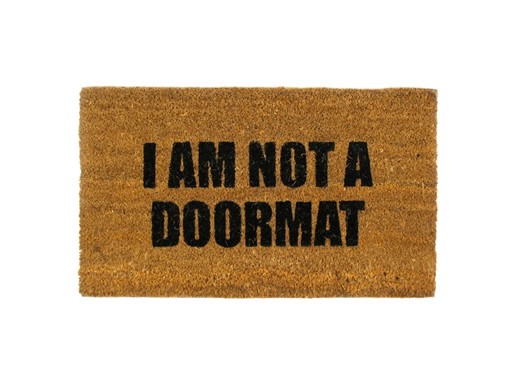
A bold statement on a doormat reading, "I am not a doormat."
Advice

How to say no and avoid being labelled as the office doormat

doormat (dɔːʳmæt) One who submits meekly to domination or mistreatment by others.   We all know the term “to be a doormat”. But have you ever found yourself to be the office doormat? I started my career when I was very young and inexperienced. I didn’t know how to say no and set boundaries when it came to my colleagues. Often this resulted in me performing someone else’s duties over and above my own, working overtime without getting paid and getting saddled with tasks nobody else wanted to do. People saw my “niceness” as being week, and they took advantage of it. Now, after many years, I realise that I was treated as the office doormat.   What can you do if you fall under the “office doormat” category?   The trick is to learn to say “no” and set boundaries. Most people feel guilty in saying no and are scared they will offend someone or damage their reputation.  On the other hand, you might jeopardise your career and lose the respect you, as a valuable team member, deserve by always saying yes. Stop completing your team members’ work. Spending more time on a colleagues project than focusing and completing your own might be a clear neon sign that you fall under the office doormat category. Again, set boundaries and remember, it’s ok to say no. Are you trying to prove yourself by taking on tasks not assigned to you? Rarely you will get recognition for taking on other’s duties. Most likely, and almost always, someone else will get praised for the work you put so much effort and time into completing, and almost always, the person you assisted will not acknowledge you as a valuable contributor. Be polite. Saying no gracefully and with genuine empathy and kindness can be so empowering. You don’t have to be puffed up and bark a harsh NO to get your point across. Of course, this doesn’t mean that you don’t have to help colleagues out now and then and always shut them down if they need some assistance. You will start to see which colleagues rely on your help and those just trying to get someone else to put in all the effort and time. Personally, I had to come to the point of realising that I had to respect myself and my time. At this stage in my career, my time is more important than it ever was.   This article was written en published by Liesel Cloete. The Award-Winning CV Writer Behind SA CV Writing Studio With an extensive HR/Payroll background, I transitioned from the corporate world and founded SA CV Writing in 2014 to empower professionals in their career journeys. My clients report back on securing interviews with local and international firms.

A group of diverse business professionals seated.
Advice

When you feel too old to get hired

Today’s 50-somethings are like yesterday’s 30-somethings, those in their 50’s are in general young of heart, fit in body and even feeling that they can still conquer small kingdoms. But they are the ones you will typically find described in the self-help section of your local bookstore, your local mountain bike club, gym, yoga retreat and so on. What happens when you find them in their CV’s, those young 50-somethings. One part of their lives full of energy and passion, the other part hunting the job market of 2021? The ones that will usually judge them in their CV’s will be the 30-something Recruitment Agent and HR Recruitment Specialist looking to finalise the shortlist for the vacant position from amongst a hundred applications received for the job on offer. You may find the tips mentioned below helpful if you are one of the older cadres of job seekers. Suppose there is an age bias in a particular industry. In that case, you need to do your research to establish that clearly, to avoid repeated disappointments on your job search journey. If that is primarily where your skills sets are, the earlier the reality check dawns on you, the better it will position you to avoid the formal application process in those industries favouring out of the box thinking. Assuming the industry you apply to does not have an age bias and assuming your CV is top-notch, modern, catching the eye with a compelling covering letter, you crossed a significant milestone. Ensuring that your profile is visible on the most appropriate social media and other digital platforms where potential employers will be looking, is critical. Ensure you research the industry/sector for any signs of age bias and understand their recruitment methodologies. Search media to ensure your CV is modern, updated, eye-catching and posted on the right platforms, for those overworked scanning eyes compiling interview lists to discover you. When invited to the sifting interviews and if you feel worried that your age might come up, you could be in danger of carrying yourself too young or too old, especially if the “competition” are those young enough to be your son or daughter. Dig deep to find your passion and energy and do not focus on your age as a disadvantage. Instead, focus on the strengths you have to offer the employer. Focus on the fact that your experience and emotional maturity are unique skills-sets the employer in your chosen industry/sector will evaluate as critical additions to their people culture. You’ll probably be confronted with questions about seniority, salary and why you are available in the job market. Absolute honesty is paramount. If you had a relatively senior position with a high salary package, you would have to engage your mind about how flexible you are about working at lower seniority levels, perhaps more in a mentoring or consultancy capacity than the new boss. The challenge will be to convince the prospective employer that you can utilise your wide-ranging experience to their benefit. Seniority may not be number one on your wish list. Do a lot of introspection to understand yourself in terms of how flexible you are with those vital attributes of seniority and experience, which could work against you for a specific position. Suppose you happen to be one of the “older” job seekers actively engaging with a market where there is an apparent oversupply of applicants for one job advertised. In that case, you can only rely on those things you can influence in your active search. Remind yourself of Stephen R Covey’s “Circle of Concern/Circle of Influence” to become more self-aware in your actions to be proactive in your search, by working on those things you can change (as the examples mentioned above). Be aware of, but realise, that you should not spend energy on those things you have no influence over. For example, the company culture, the legislative issues around retirement age and so on. Don’t get demotivated entirely about the various “age-views” you will encounter on your search journey. Remind yourself that there are specific strengths that your generation can add to any workplace, being a Boomer in your 50’s or a Xer in your 40’s, you grew up in a certain period of specific change; different leaders influenced your thinking. Make a point of becoming aware of your younger counterparts and bosses’ styles and backgrounds and use your emotional intelligence to illustrate how you can strengthen these differences for the potential employer’s good. Remember, you are not too old to be hired.  You are fit as a fiddle in your workout gear, clear in your mind and moulded by various work accomplishments. Your passion for contributing and giving back to a new employer those skills and experiences you obtained over a productive and fulfilling career should be your key focus. Think again and put yourself out there. Daunting, yes. But achievable. Best of luck and use your accumulated wisdom, old friend! This article was written en published by Liesel Cloete. The Award-Winning CV Writer Behind SA CV Writing Studio With an extensive HR/Payroll background, I transitioned from the corporate world and founded SA CV Writing in 2014 to empower professionals in their career journeys. My clients report back on securing interviews with local and international firms.

Get in touch